Nutrition · 5 min read ·
Liver fat comes more from sugar and alcohol than from the oil on your plate. And it responds well to the right habits.
If you have 30 seconds
- 1Liver fat comes mainly from sugar, sweet drinks and alcohol.
- 2Extra virgin olive oil, fish and nuts stay on the plate: they help your liver.
- 3Moving can reduce liver fat even when your weight barely changes.
You have a fatty liver. An ultrasound scan you had for something else found it, and now you're wondering what to eat. Your doctor was calm: 'Nothing serious for now, but you need to change how you eat.' Your first instinct is to cut out fat.
'But I hardly use any oil,' people often tell me when they arrive with that scan. Then there's orange juice at breakfast, a smoothie mid-morning and a glass of wine in the evening. The liver is filling up from somewhere else.
Fatty liver: which foods to avoid?
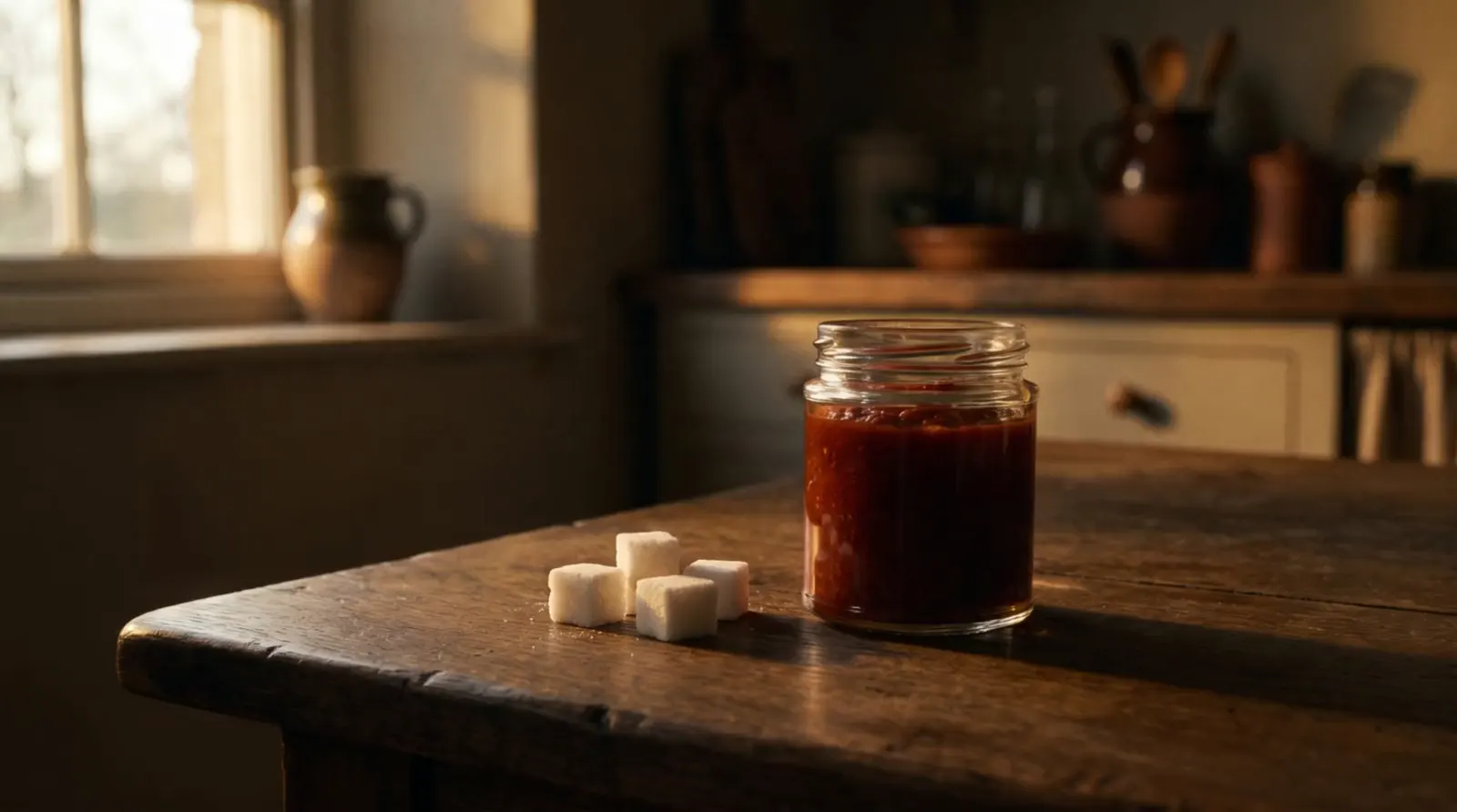
First, the sugar you drink: fizzy drinks, fruit juice, iced tea. Then packaged sweet foods and alcohol, which weigh on your liver more than the good fats on your plate.
- Liquid sugar. Fructose doesn't fill you up, so one juice follows another and you're still hungry.
- Packaged sweet foods. Cookies, cereal bars, filled pastries, fruit yoghurts: the label often says 'glucose-fructose syrup'.
- The evening glass. Alcohol fills the liver with fat too. I write about it in the article on wine.
- Margarine, snacks and fried food. Crackers, crisps and fast-food fried food contain trans fats, which can encourage a fatty liver.
Why the liver fills up
Your liver has a small tank. Fructose is handled almost entirely by the liver, which stores some of it as a sugar reserve. Once that's full, the rest is turned into fat and stays there, in the liver cells.
Belly fat sends its fats to the liver. Deep fat around the abdomen releases its fats into a vein that runs straight to the liver. That's why a big waist and a fatty liver tend to go together, and insulin tends to work less well.
It matters more than you think. Liver fat tends to disturb your blood sugar, sometimes more than belly fat. And liver and kidneys are linked: when the liver gets lighter, the kidneys usually work better too.
Your liver gets lighter, above all, from what you stop drinking.
What to eat, from breakfast to dinner
A savoury breakfast. Eggs, Greek yoghurt, nuts, and a piece of whole fruit if you like. After the night, the liver's tank is empty, so it's the best time for fruit. Skip fruit juices: they are the fruit's sugar without its fibre.
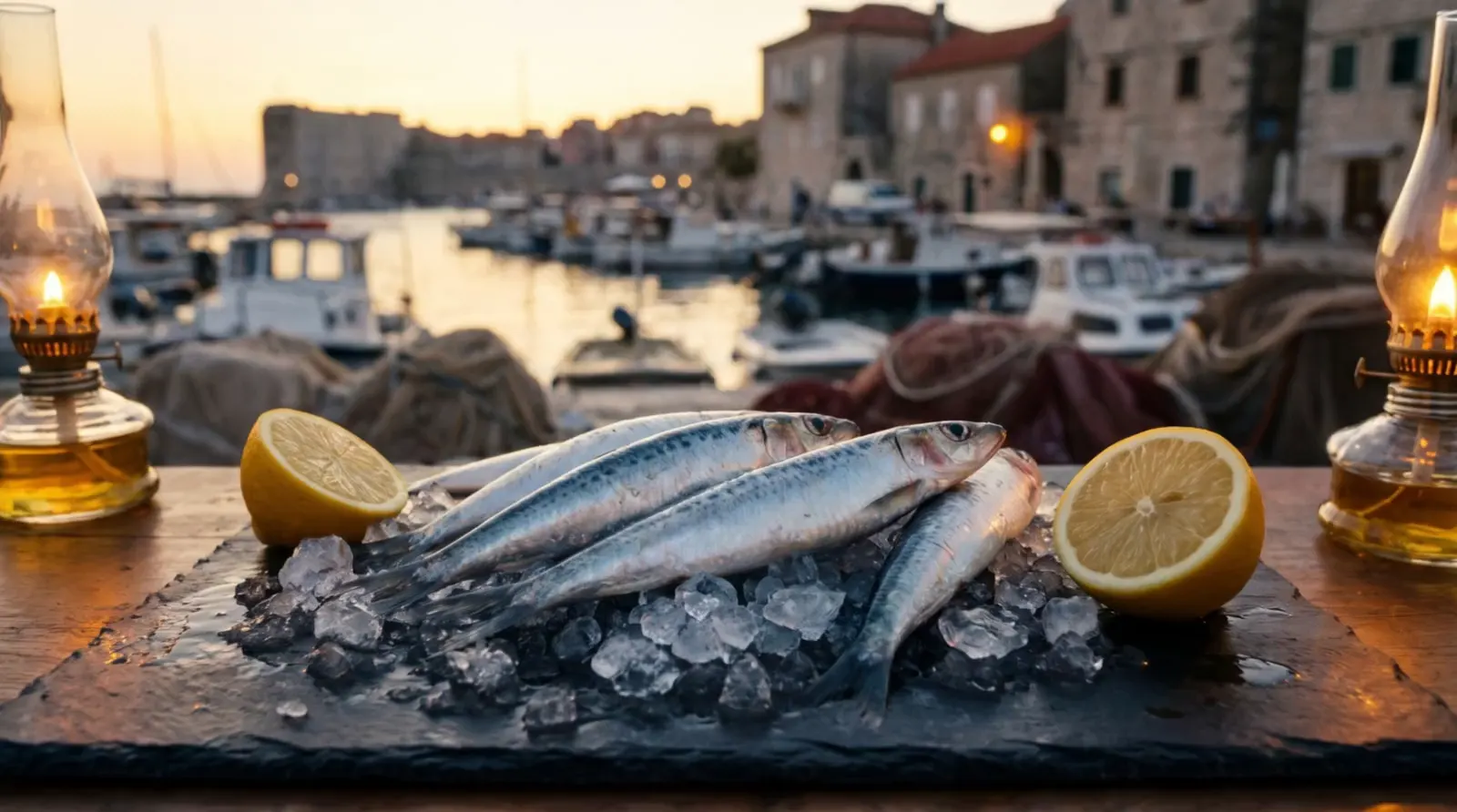
At lunch and dinner, keep the oil. Eat vegetables and protein before carbohydrates. Have fish and chicken more often than red meat, with extra virgin olive oil and a handful of walnuts. When two diets were compared over eighteen months, a Mediterranean diet with olive oil, nuts and few refined carbohydrates removed more fat from the liver than a low-fat diet.
Count your fruit. Have one or two pieces at breakfast, then one before lunch and one late in the afternoon, with a few nuts or almonds. It's better not to eat it straight after a meal. Dried figs, dates and grapes contain the most sugar: a hundred grams of dried figs is already a whole day's fruit.
Moving matters as much as your plate. Walk for ten to fifteen minutes after meals, and do two strength sessions a week. Working muscles use the sugar that has just arrived, and weights help reduce deep belly fat.
Try this
0 of 5 done
Your ticks are saved on this device.
Test yourself
You've just been told you have a fatty liver. Where do you start?
Start this week with fizzy drinks and juice, the simplest change. Keep your new habits going for a month, then tell your doctor about them at your next check-up.